A deal that reshapes Hollywood’s ownership map closed last Tuesday with a press release and a new ticker symbol. Paramount completed its acquisition of Warner Bros. Discovery on 6 October 2026, the company said in a release filed with the US Securities and Exchange Commission, and the combined group now trades on the New York Stock Exchange as Skydance Corporation under the symbol SKYD. Warner Bros. Discovery shares have stopped trading.
For viewers in Canada, the US, the UK, Australia and New Zealand, the question is not who owns what, but what happens to the apps on the television. The filing answers some of that, and leaves the rest open.
What was bought, and for how much
Warner Bros. Discovery shareholders received US$31.01666668 per share in cash, per the filing. The deal was backed by US$47 billion of new Class B equity priced at US$12 a share. Competition authorities in nearly 70 jurisdictions approved the transaction, the release says.
Chris Yarzab, CC BY 2.0, via Wikimedia Commons
The combined company reports nearly US$70 billion in revenue, more than 200 million streaming subscribers and audiences in more than 200 countries and territories. Its brand list now reads like a cable guide: Paramount, Warner Bros., HBO, HBO Max, Paramount+, Pluto TV, CBS, CNN, CBS Sports, TNT Sports, Nickelodeon, Cartoon Network, MTV, Food Network, BET, HGTV and Comedy Central.
“Today is a historic day, not just for Skydance but for our entire industry,” David Ellison, chairman and chief executive of Skydance, said in the release. Gerry Cardinale of RedBird Capital, a Skydance board director, called it “a defining moment for the industry.” Ynon Kreiz is named as co-chief executive.
One streaming service, eventually
The sentence that matters most for subscribers is short. The filing says Skydance’s direct-to-consumer streaming products will be unified into a single service “over time.” It does not name HBO Max or Paramount+ in that sentence, does not give a date, and does not say what the combined service will cost or be called.
The company also set out its content ambitions: at least 30 theatrical films a year, each with a minimum 45-day exclusive window in cinemas, and more than 180 television shows and series. Pro forma content spending over the past 12 months topped US$30 billion, per the filing.
On the financial side, Skydance targets US$6 billion or more in run-rate synergies within three years, net leverage of about 3.0 times by the end of 2029, and more than US$10 billion in free cash flow by 2030. Synergy targets of that size usually mean overlapping operations are consolidated; the filing does not say where.
Already visible in the boilerplate
The change is already showing up in routine press releases. CBS Studios’ announcement from New York Comic Con on 10 October carries an “About Skydance” paragraph listing Warner Bros., HBO, CNN and Cartoon Network alongside Paramount+ and Nickelodeon. Programming decisions announced the same week, including a March 2027 date for the final season of Star Trek: Starfleet Academy, were made under the new ownership.
What it means for you
- Your subscriptions do not change this week. HBO Max and Paramount+ continue as separate services; the filing commits only to a single service “over time,” with no date.
- Watch the 45-day window. Skydance has put a minimum theatrical window in writing. For viewers who wait for streaming, that sets a floor on how long new Paramount and Warner Bros. films stay in cinemas first.
- Licensing markets are the open question. In Canada, HBO reaches viewers through Crave under Bell Media; in the UK, Australia and New Zealand, Warner and Paramount content runs through a mix of owned services and third-party deals. The filing does not address any of those arrangements, so the current apps remain the way to watch.
- Expect consolidation news. A US$6 billion synergy target over three years means announcements about combined operations will follow. The Remote will track the ones that reach the screen.
Sources
Titles in this story.
Explore The Rerun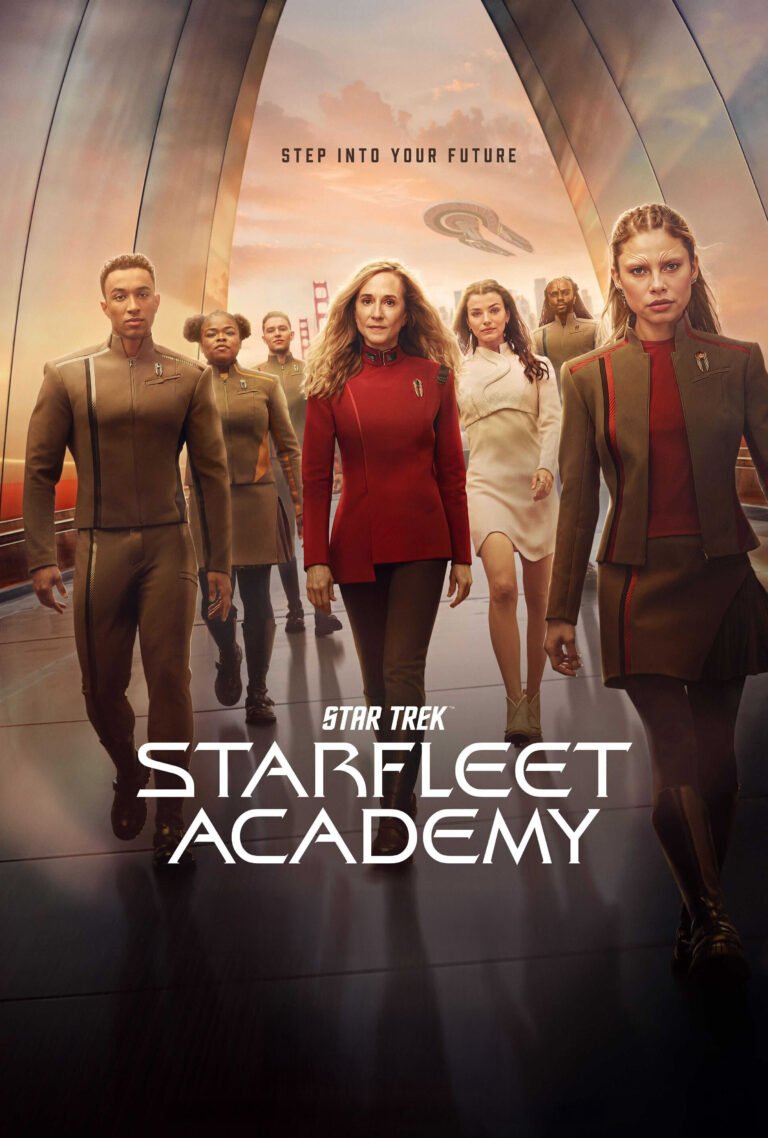

Before you go